The complete guide for British brands entering the Polish market
- Mar 22
- 4 min read
Updated: Mar 30
Why Poland matters for British brands entering the Polish market?
Poland is one of the fastest‑growing economies in the EU and a gateway to Central and Eastern Europe. With a large consumer base, increasing spending power and strong digital adoption, UK companies have a unique opportunity to expand into this dynamic market.
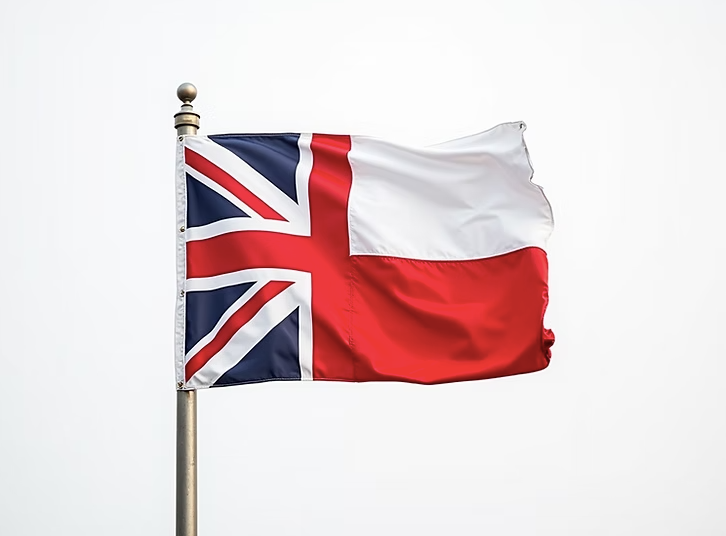
Understanding the Polish market: key facts & trends
Before expanding, British businesses should understand Poland’s economic landscape.
Poland at a glance
EU member state with over 38 million people
Growing middle class with increasing digital consumption
Strong sectors: e‑commerce, tech startups, logistics, renewable energy
Consumer behaviour in Poland
Poles are price‑conscious but value quality and brand credibility. They respond well to localized communications and trust endorsements from local media or influencers. You can read more about this in our blog post on How PR Agencies Adapt Marketing Messaging for Poles.
Choosing the right market entry strategy
British brands can enter Poland in several ways - each with different implications.
Direct export vs local presence
Direct export: ideal for testing demand with minimal investment
Representative office / branch: offers local operations without full company setup
Subsidiary / local company: best for long‑term scale and brand control
Partnerships, distributors & agents: using local distributors or sales agents can speed up entry, but requires clear contracts and performance clauses.
Legal and regulatory challenges
Poland follows EU regulations, but there are local requirements for:
Product certification
Employment contracts and labour law
For a more detailed look at company setup, tax considerations, GDPR and employment law, read our practical guide to legal and regulatory requirements for UK companies entering Poland.
Polish PR & Polish media: what British brands need to know?
PR in Poland has unique media and channels that differ from the UK.
Traditional vs digital media
While newspapers and TV remain relevant for certain audiences, digital platforms have overtaken traditional media in reach and engagement. Polish journalists & pitching culture
Polish journalists prefer concise pitches in Polish - personalised outreach and local press materials increase coverage success.
Social media & influencers in Poland
Platforms like YouTube, Instagram, and TikTok are powerful for brand awareness. Working with local influencers can boost credibility. We've written a blog post about influencer marketing and Top Polish influencers and media for UK brands entering Poland in 2026.

Localisation: language, messaging and cultural challenges
Language is critical, and Poles only respond to the best content - of course, in Polish! You need to go far beyond just a translation - adapt tones and references to the Polish context and ensure your brand messaging aligns with cultural values and local trends. You can read more about localisations in Poland in our blog post article about how to localise content for the Polish market.
Building a PR & marketing strategy for Poland
A successful Poland strategy includes PR, content, social, and stakeholder outreach. You can also read more about it in our past blog post on PR for British companies in Poland.
Defining your goals and KPIs
Set measurable targets for:
Brand awareness
Press coverage & clippings
Lead generation
Consumer sentiment
PR tactics that actually work
Local press releases in Polish
Thought leadership content with data-driven Polish storytelling
Events and webinars with local partners
Paid Media & Programmatic
Combining PR with paid social ads or search campaigns increases reach and accelerates results.
Common challenges and how to overcome them
Bureaucracy
Market entry often involves legal processing time - plan ahead.
Competition from local brands
Understanding local competitor positioning can help you differentiate.
Cultural differences and miscommunication
Invest in local experts or consultants to avoid messaging mistakes.
Entering Poland requires research, localization, and a PR strategy tailored to local norms. With the right plan and partner, British brands can unlock strong growth and long-term success in this dynamic European market. You can also read our blog post about Market Entry Strategy for Poland: A Guide for International Brands to get more insights on what might work for your British brand and what might not work. You can also have a look at our article about How to choose the best Polish PR agency to work with?

FAQ
How can British brands successfully enter the Polish market?
Success comes from thorough market research, choosing the right entry strategy (direct investment, partnership, or subsidiary), localizing PR and marketing messages, and building strong media relations. Using analytics to track KPIs ensures continual improvement.
What PR strategies work best for the Polish market?
Combine localised press releases, influencer marketing, social media campaigns and thought leadership content. Personalise pitches in Polish for journalists and focus on channels with high engagement such as Instagram, YouTube and LinkedIn.
How should British companies localise content for Poland?
Beyond translation, adapt messaging to Polish cultural norms, values, and consumer expectations. Highlight local examples, avoid idioms that don’t translate and ensure your brand tone resonates with the Polish audience.
What are the main challenges British brands face in Poland?
Common challenges include bureaucratic delays, cultural differences, local competition, and media preferences. Planning ahead, hiring local experts and using localised PR campaigns helps overcome these dificulties.
How can PR success be measured in Poland? Track KPIs like media mentions, press sentiment, website traffic, social engagement, and lead generation. Tools like Brand24 or Mention, combined with analytics dashboards, help evaluate ROI.